

The Quiet Evolution of the Alaskan Mariner
For decades, the relationship between a mariner and the Alaskan wilderness was defined by a rugged, often adversarial resilience. To navigate these waters was to contend with the elements, to survive the unpredictable swells of the Gulf of Alaska, and to return to port having successfully harvested the sea’s bounty. However, as the glaciers that line our fjords continue their visible retreat, a new consciousness is rising among those who call these waters home. Sustainable boating is no longer a niche interest for the environmentally idealistic; it has become the silent, steady standard for the modern Alaskan seafarer.
This shift isn’t merely about following new regulations or avoiding fines. It is a reflective turn inward—a realization that the very majesty that draws us to the water is fragile. When we stand on the deck of a vessel in the middle of Prince William Sound, the silence is heavy and profound. We are beginning to understand that our presence, and the way we move through these spaces, leaves a footprint that lingers long after the wake has settled.
A Shift in the Maritime Ethos
The transition toward sustainability in Alaska is rooted in a changing ethos of stewardship. In the past, the vastness of the North seemed to suggest that its resources were infinite and its resilience was unbreakable. Today’s boaters are seeing a different story. They see the changes in salmon runs and the shifting patterns of migratory whales. This observation has led to a collective pause, a moment of introspection regarding our role in the maritime ecosystem.
Sustainable boating in this context means moving with the grain of nature rather than against it. It is the practice of intentionality—choosing to slow down, not just to save fuel, but to experience the environment without the intrusive roar of a high-speed engine. It is the understanding that we are guests in a wild home, and as guests, our manners matter.
Protecting the Giants and the Microscopic
One of the most significant pillars of this new standard is the reduction of acoustic pollution. We often forget that beneath the surface, the ocean is a world of sound. For the humpback whales and orcas that frequent our coastal waters, the mechanical noise of a vessel can be a wall of static that disrupts communication and hunting. Modern sustainable boating prioritizes hull designs and propulsion systems that whisper rather than shout.
Furthermore, the focus has shifted toward the microscopic. The prevention of invasive species and the careful management of greywater are no longer secondary concerns. Mariners are now more aware than ever that the health of the entire food chain—from the plankton to the apex predators—depends on the purity of the water we traverse. By adopting rigorous cleaning protocols and eco-friendly anti-fouling paints, the Alaskan boating community is taking a stand for the integrity of the water column.
The Practical Pillars of Modern Alaskan Stewardship
While the philosophy of sustainability is reflective, its application is practical and demanding. The standard for safety and navigation now inextricably includes environmental preservation. To be a safe mariner in Alaska today is to be an ecologically responsible one. Here are the core practices that are becoming standard across our harbors:
- Advanced Fuel Management: Utilizing high-efficiency engines and monitoring fuel consumption meticulously to minimize the carbon footprint of every voyage.
- Zero-Discharge Mindset: Moving beyond minimum legal requirements to ensure that absolutely no waste—be it plastic, food, or chemical—enters the marine environment.
- Solar and Wind Integration: An increasing number of vessels are utilizing Alaska’s long summer days to power electronics via solar arrays, reducing the need for noisy, polluting generators.
- Responsible Wildlife Viewing: Adhering to strict distance guidelines that prioritize the well-being of marine mammals over the perfect photograph.
- Eco-Friendly Maintenance: Using biodegradable cleaners and ensuring that all maintenance work is done in facilities that capture and treat runoff.
The Intersection of Technology and Tradition
It is fascinating to observe how the most modern technologies are helping us return to a more traditional, respectful way of navigating. In many ways, the push for electric propulsion and hybrid systems mirrors the quiet efficiency of the kayaks used by the indigenous peoples of Alaska for millennia. We are using 21st-century innovation to reclaim a 10,000-year-old harmony.
This technological shift also demands a new kind of maritime education. Planning a safe Alaskan adventure now requires an understanding of how to manage these new systems. It requires a deeper level of weather awareness, as we learn to work with the wind and the tides to maximize our efficiency. The expert guidance provided by organizations like the USCG Alaska remains vital, but the curriculum is expanding to include the nuances of green navigation.
Looking Toward the Horizon: A Legacy of Preservation
Why is sustainable boating finally the standard? Perhaps it is because we have finally recognized that the “frontier” is not a place to be conquered, but a heritage to be curated. When we look out over the bow at the rugged coastline of the Last Frontier, we aren’t just looking at scenery; we are looking at the future of our children’s adventures.
The standard has changed because our definition of a “successful” trip has changed. Success is no longer measured solely by the weight of the catch or the distance covered. It is measured by what we leave behind—which, ideally, is nothing at all. As we navigate the cold, clear waters of Alaska, we do so with a renewed sense of purpose. We sail not just for the thrill of the journey, but for the preservation of the destination. This is the new era of Alaskan maritime navigation: one where the safety of the vessel and the safety of the sea are one and the same.
Related Posts
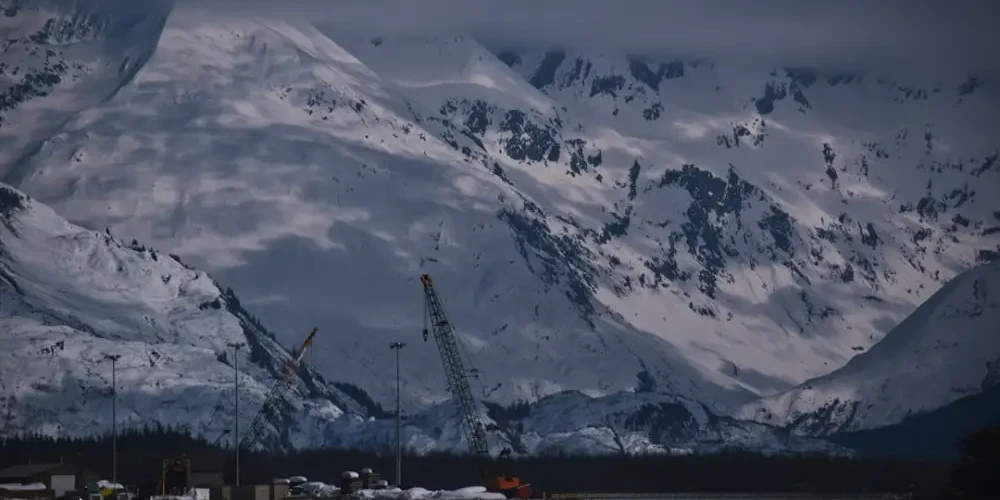
What actually goes into planning a safe Alaskan adventure at sea
Discover the essential elements of…
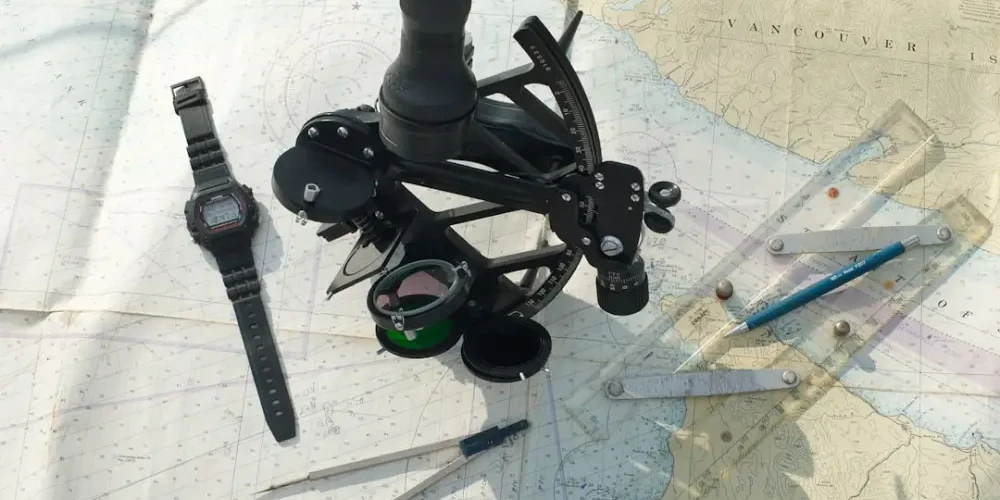
What it actually takes to plan a safe maritime adventure
Discover what it truly takes to plan a…