
The Architecture of a Maritime Journey: Beyond the Horizon
In the modern era of satellite imagery and instant communication, the ocean is often perceived as a conquered frontier. For the casual traveler, a maritime adventure suggests sun-drenched decks and the rhythmic pulse of the tide. However, seasoned mariners and safety experts at USCG Alaska view the sea through a different lens—one defined by physics, probability, and the relentless variables of the natural world. Planning a safe maritime adventure is not merely an exercise in logistics; it is an architectural feat of risk management and psychological preparation.
For those seeking to refine their operational readiness, implementing a set of essential maritime safety tips can further mitigate the risks inherent in offshore travel.
To transition from a passenger to a practitioner of safe navigation requires a fundamental shift in perspective. It demands an understanding that the sea does not negotiate. Whether navigating the intricate fjords of the Alaskan coast or crossing open blue water, the difference between a transformative journey and a maritime emergency lies in the depth of the planning phase. This editorial explores the unseen layers of preparation that constitute a truly professional maritime plan.
The Psychological Shift: From Sightseeing to Seamanship
The most critical component of any voyage does not reside in the engine room or the bridge; it exists within the mindset of the navigator. Journalistic observations of maritime incidents often point to a common thread: the ‘human element.’ This often manifests as ‘get-there-itis’—the psychological drive to reach a destination despite deteriorating conditions.
Professional planning involves establishing hard ‘no-go’ thresholds before the lines are even cast off. It requires an analytical detachment from the itinerary. When we analyze the habits of successful mariners, we see a pattern of conservative decision-making. They do not view a diverted course or a delayed departure as a failure, but as a successful execution of a safety protocol. This level of emotional discipline is what separates a maritime adventure from a reckless gamble.
The Human Element and Decision-Making
Effective planning accounts for human frailty. Fatigue, seasickness, and cognitive load can degrade a person’s ability to process information by more than 50% in high-stress environments. Therefore, a safe plan includes redundant systems not just for the machinery, but for the crew. This includes clear watches, designated rest periods, and a democratic environment where any crew member feels empowered to voice safety concerns.
Technical Redundancy: The Modern Safety Net
In the digital age, we have become dangerously reliant on a single point of failure: the glowing screen of a GPS chartplotter. While modern electronics have revolutionized navigation, an editorial look at maritime trends shows a resurgence in the value of ‘analog’ redundancy. A safe maritime adventure assumes that electronics will fail—whether through power loss, salt-water ingress, or solar interference.
True preparation involves a multi-layered approach to situational awareness. This means having physical charts on board, a working knowledge of celestial or terrestrial navigation, and a deep understanding of the vessel’s mechanical systems. It is about knowing how to bleed a fuel line in a heavy swell or how to rig a secondary steering system when the hydraulics fail. Safety is found in the ability to solve problems without the aid of a digital interface.
Environmental Intelligence and Localized Knowledge
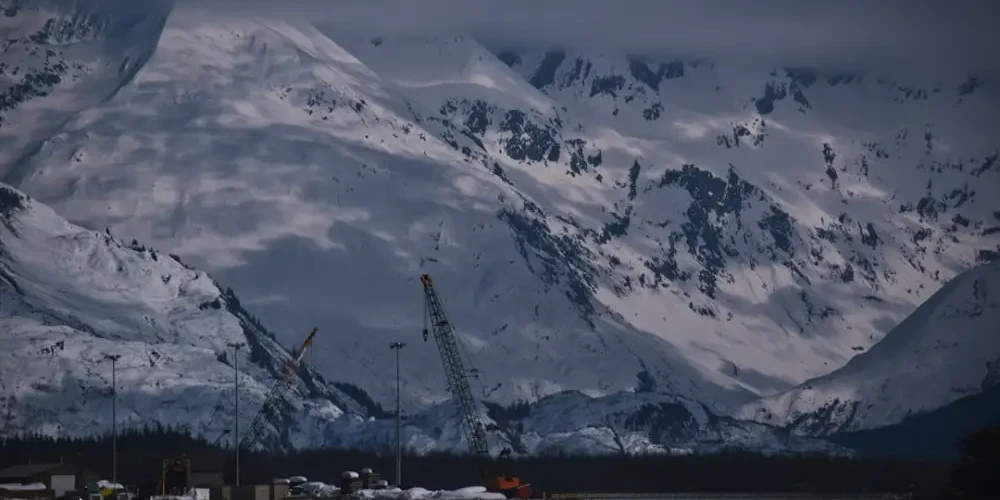
Every maritime environment has its own unique ‘personality.’ In the waters of the Pacific Northwest and Alaska, this includes massive tidal swings, glacial ice, and micro-climates that can defy regional forecasts. Planning a safe adventure requires ‘environmental intelligence’—the gathering of localized data that goes beyond a standard weather app. This involves studying pilotage books, understanding local current tables, and speaking with those who have traversed the waters before. It is an exercise in humility, acknowledging that local knowledge often trumps general theory.
The Core Pillars of a Maritime Safety Plan
While every journey is unique, the framework of a professional maritime plan remains remarkably consistent. The following elements represent the non-negotiable pillars of safe offshore travel:
- The Comprehensive Float Plan: A detailed document left with a shore-side contact, outlining the route, vessel description, crew manifest, and a specific time to initiate search and rescue protocols.
- Vessel Integrity Audit: A pre-departure inspection that goes beyond the engine, covering through-hull fittings, bilge pump functionality, and the integrity of the standing rigging or drive train.
- Communication Protocol: Ensuring multiple methods of distress signaling, including VHF DSC-capable radios, EPIRBs, satellite messengers (like inReach), and visual signaling devices.
- Medical Contingency: A medical kit tailored to the length of the voyage and the specific health needs of the crew, coupled with basic wilderness first-aid training.
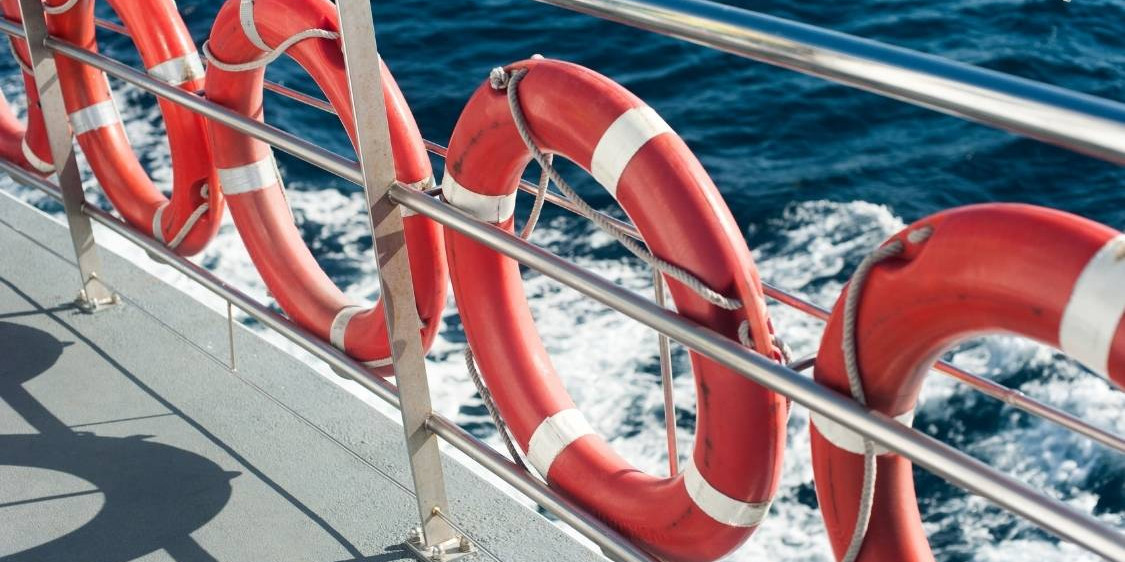
- Survival Redundancy: Life rafts, immersion suits (especially in cold-water climates like Alaska), and ‘ditch bags’ that are pre-packed and ready for immediate evacuation.
Conclusion: The Discipline of Adventure
Ultimately, what it actually takes to plan a safe maritime adventure is a commitment to the discipline of the craft. It is an acknowledgment that the ocean provides an unparalleled sense of freedom, but that freedom is bought with the currency of preparation. By analyzing trends in maritime safety, we see that the most successful adventurers are those who treat their planning with the rigor of a professional mariner.
As we look toward the future of maritime travel, the integration of better technology will continue to assist us, but it will never replace the need for sound judgment and meticulous preparation. A safe voyage is not a matter of luck; it is a calculated outcome. For those willing to put in the work, the sea remains the ultimate reward, offering a perspective on the world that can only be found from the deck of a well-prepared vessel.