
The Allure and the Reality of the Last Frontier
There is a specific kind of silence that exists only in the Gulf of Alaska—a heavy, expectant quiet that precedes a glacial calving or the breach of a humpback whale. For many, this silence is the ultimate siren song. In recent years, we have seen a significant shift in maritime travel trends; the modern adventurer is no longer content with the curated views of a massive cruise liner. Instead, there is a burgeoning movement toward smaller vessels, private charters, and self-guided expeditions into the heart of the North.
However, the beauty of the Alaskan coastline is inextricably linked to its volatility. Planning a safe Alaskan adventure at sea is not merely a matter of booking a berth and checking a map; it is a complex logistical ballet that requires an intimate understanding of one of the most demanding maritime environments on Earth. To navigate these waters safely, one must look beyond the aesthetics and analyze the underlying patterns of the sea, the sky, and the vessel itself.
The Paradox of the Last Frontier: Beauty vs. Volatility
The primary challenge of the Alaskan maritime environment is its unpredictability. Unlike the consistent trade winds of the Caribbean or the predictable swells of the Mediterranean, Alaska operates on its own meteorological timeline. We see a phenomenon where micro-climates can shift from dead calm to a gale-force storm within the span of a single fjord. This volatility necessitates a level of weather awareness that borders on the obsessive.
Experienced mariners understand that a forecast in Alaska is a suggestion, not a guarantee. Safe planning involves analyzing pressure gradients and understanding how the high coastal mountains funnel wind—a process known as orographic lifting. For the adventurer, this means that the preparation phase must include not just a look at the week’s forecast, but a deep dive into the historical weather patterns of specific passages like the Dixon Entrance or the Queen Charlotte Sound.
Communication in the Dead Zones
One of the most overlooked aspects of Alaskan maritime planning is the reality of isolation. While we live in an era of constant connectivity, the rugged topography of the Inside Passage and the Aleutian Chain creates significant “dead zones.” Satellite communication is often hampered by steep mountain walls, and VHF range can be surprisingly limited in winding channels.
A safe adventure requires a multi-layered communication strategy. This includes redundant systems—AIS (Automatic Identification System), satellite messengers like Garmin InReach, and traditional high-power VHF radios. The editorial consensus among safety experts is clear: if you cannot signal for help in three different ways, you are not prepared for the Alaskan wilderness.
The Technical Foundation: Logistics Beyond the Chart
Navigation in Alaska is a masterclass in vigilance. The region is famous for its “bergy bits” and growlers—small chunks of glacial ice that are dense enough to puncture a hull but small enough to remain undetected by standard radar. Planning for a safe journey means accounting for the specific drafts of the vessel and the state of the tides, which in Alaska can fluctuate by as much as 30 feet in a single cycle.
To ensure a safe passage, adventurers must adhere to a rigorous preparation checklist. This list represents the bare minimum for any vessel venturing into these northern latitudes:
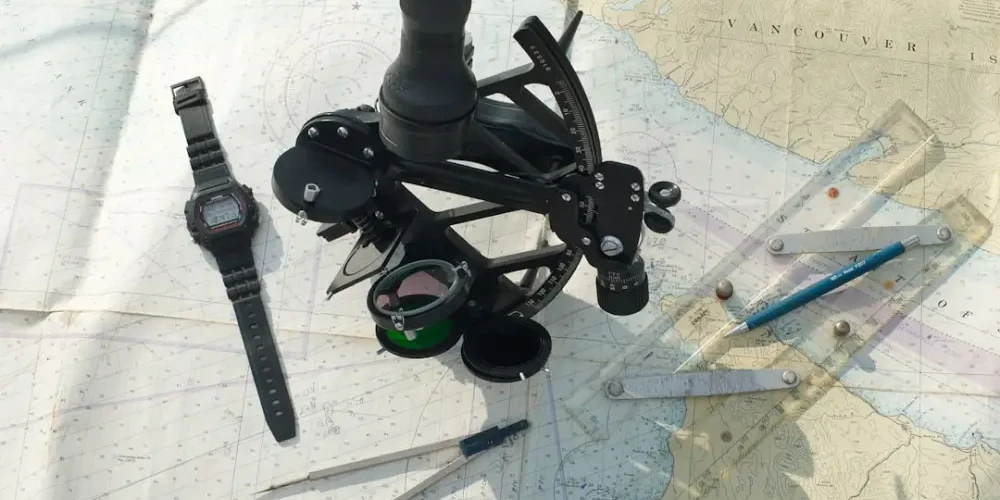
- Redundant Navigation Systems: Always carry physical charts alongside updated digital plotters. Electronics can and do fail in the cold, damp climate.
- Ice Management Protocols: Establishing a dedicated “ice watch” when navigating near tidewater glaciers, regardless of radar presence.
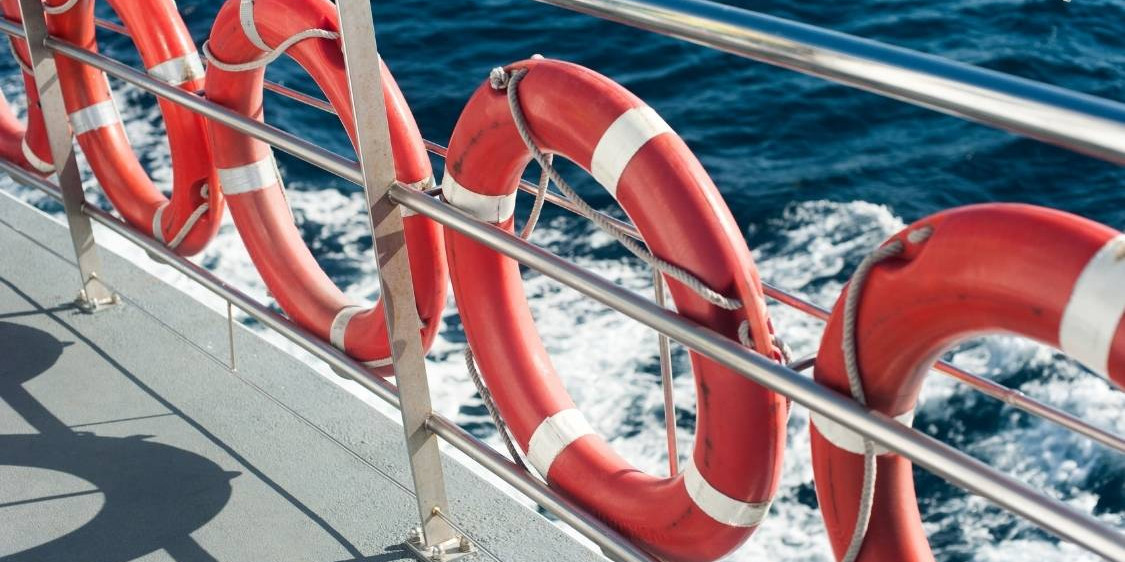
- Survival Gear and Exposure Suits: In the event of an emergency, the water temperature in Alaska will cause hypothermia in minutes. High-quality immersion suits for every soul on board are non-negotiable.
- Engine Spares and Mechanical Knowledge: Help is often hours, if not days, away. A basic understanding of diesel mechanics and a robust kit of spare filters, belts, and impellers is essential.
- Fuel Management: The “Rule of Thirds” is standard here—one third to get there, one third to get back, and one third in reserve for unforeseen weather delays.
The Human Element: Risk Assessment and Decision Making
Perhaps the most critical component of planning is the psychological readiness of the crew. In the maritime world, we often discuss “get-there-itis”—the dangerous compulsion to stick to a schedule regardless of deteriorating conditions. In Alaska, this mindset can be fatal. The journalistic reality of maritime accidents in the North often points not to mechanical failure, but to human error in judgment.
Safe planning involves the creation of “no-go” thresholds. These are pre-determined weather or mechanical conditions that, if met, automatically result in a delay or a change of course. By making these decisions in the comfort of a harbor, sailors remove the emotional pressure that comes when facing a darkening sky in open water. It is this analytical approach to risk—viewing safety as a series of calculated decisions rather than a matter of luck—that separates a successful expedition from a tragedy.
Environmental Stewardship as a Safety Measure
Finally, we must consider the relationship between safety and the environment. Respecting the ecosystem is not just an ethical choice; it is a safety protocol. Understanding the movements of local wildlife, such as avoiding the path of a surfacing whale or maintaining distance from sea lion haul-outs, prevents collisions that could disable a vessel. Furthermore, adhering to strict waste management and oil discharge rules ensures that the pristine environment remains navigable for future generations.
In conclusion, planning a safe Alaskan adventure at sea is an exercise in humility. It requires the adventurer to acknowledge that despite our advanced technology, we are still small in the face of the North’s vastness. By focusing on redundant systems, rigorous mechanical preparation, and a disciplined psychological approach to risk, travelers can move beyond the fear of the unknown and truly immerse themselves in the unparalleled majesty of the Alaskan coast.